

Interviews with inspiring clinicians, scientists, researchers & geneticists in the field of epilepsy - out every Thursday.
Available on your podcast app & YouTube. **NOT FOR CLINICAL OR PATIENT DECISION MAKING**
For sponsorship opportunities contact us or click here for more information.
Looking for earlier episodes? You’ll find our full archive at torierobinson.com/epilepsy-sparks-insights

What should someone do if interested in adopting the ketogenic diet or looking further into "metabolic psychiatry"? Hear about sacrifices, benefits, weight loss, constipation, nutrition, and having the right support.

Learn of the evolution of the ketogenic diet, metabolic psychiatry, the treatment overlap between different diagnoses (e.g. the epilepsies and mood disorders). This is part 2 of 3 with the Pharmacist Who Gave Up Drugs: Graham Phillips.

Are humans forgetting the animals that we actually are? The Pharmacist Who Gave Up Drugs - Graham Phillips - talks to us about the impacts of the regular western diet and the impacts on health - in part 1 of 3.
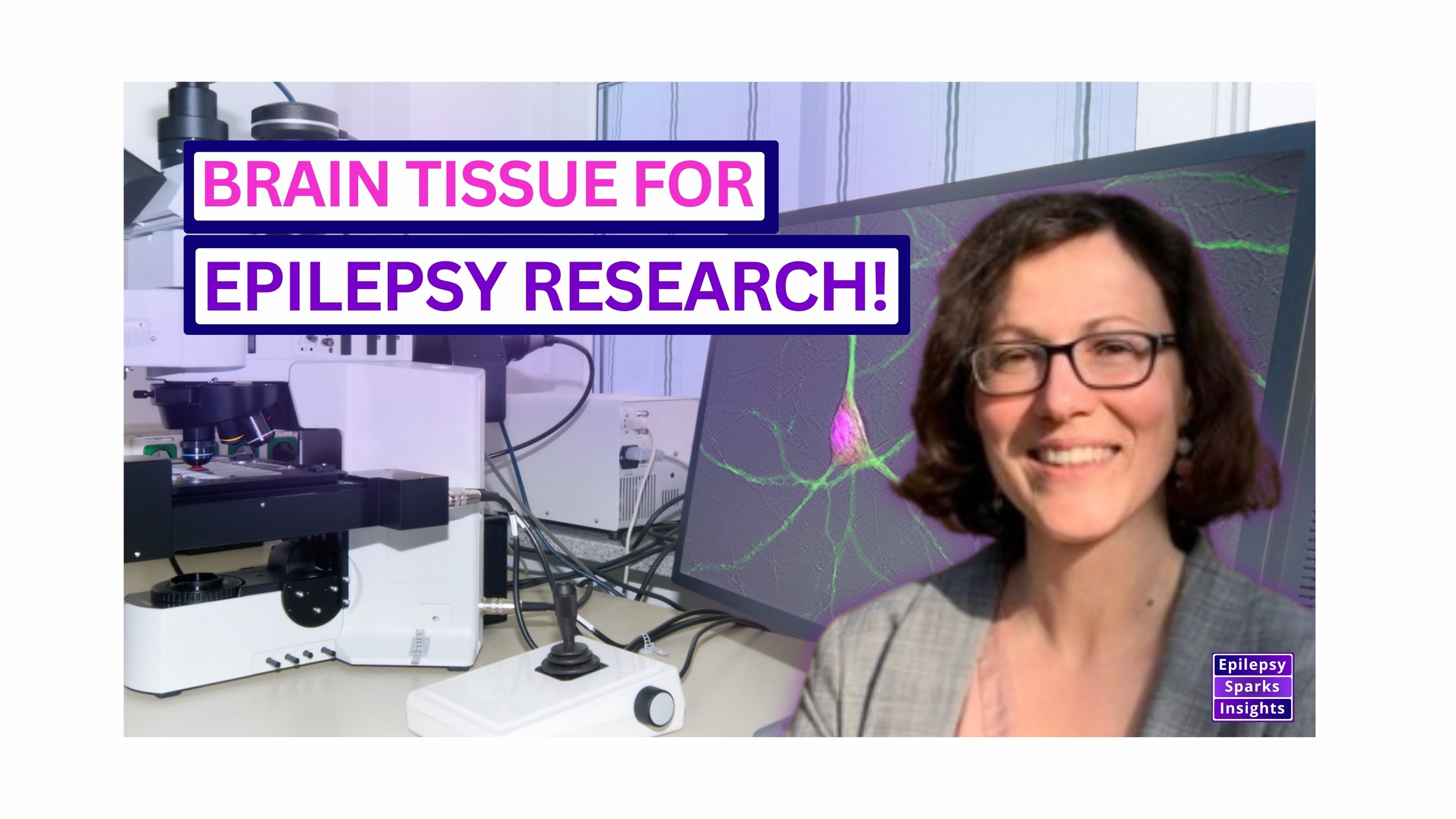
Award-winning molecular neuropathologist & PI Katja Kobow explains her research into unraveling the intricate interplay between epigenetic alterations and the development of epilepsy, specifically in the context of the adult post-mitotic brain.

Hear about research into the correlation between epilepsy and sleep disorders, with a focus on bruxism (teeth grinding) - with Dr. Samson Khachatryan.

Hear of clinical study involving paediatric faecal samples of those with refractory epilepsy who started the ketogenic diet; investigating their gut microbiota and how it may be related to changes in epileptic seizures.

Hear about epilepsy research into gut microbiota, how they connect with the brain, and the link between them, poo/faeces, and seizures! Think ketogenic diet. This is part 1 of 2.

Meet Sally-Ann Remnant, a clinical nurse specialist in epilepsy who talks to us about her work and study into the impact and treatment of constipation amongst people with epilepsy and how constipation can encourage seizures in some.