

Interviews with inspiring clinicians, scientists, researchers & geneticists in the field of epilepsy - out every Thursday.
Available on your podcast app & YouTube. **NOT FOR CLINICAL OR PATIENT DECISION MAKING**
For sponsorship opportunities contact us or click here for more information.
Looking for earlier episodes? You’ll find our full archive at torierobinson.com/epilepsy-sparks-insights
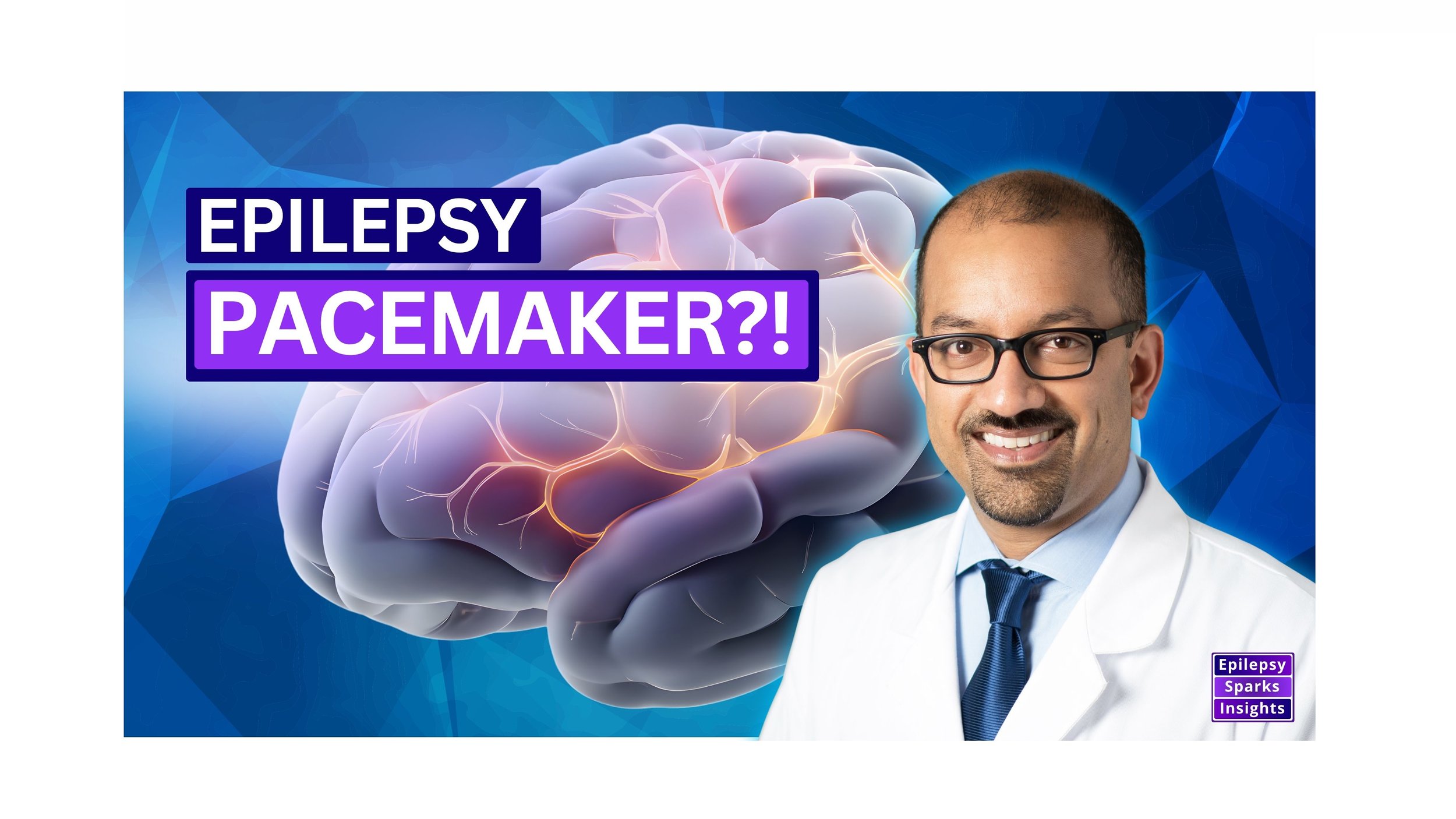
Could a brain implant do more than reduce seizures? Dr. Vikram Rao explains how responsive neurostimulation (RNS) is changing epilepsy treatment, who may benefit, and why researchers are so excited about its future.
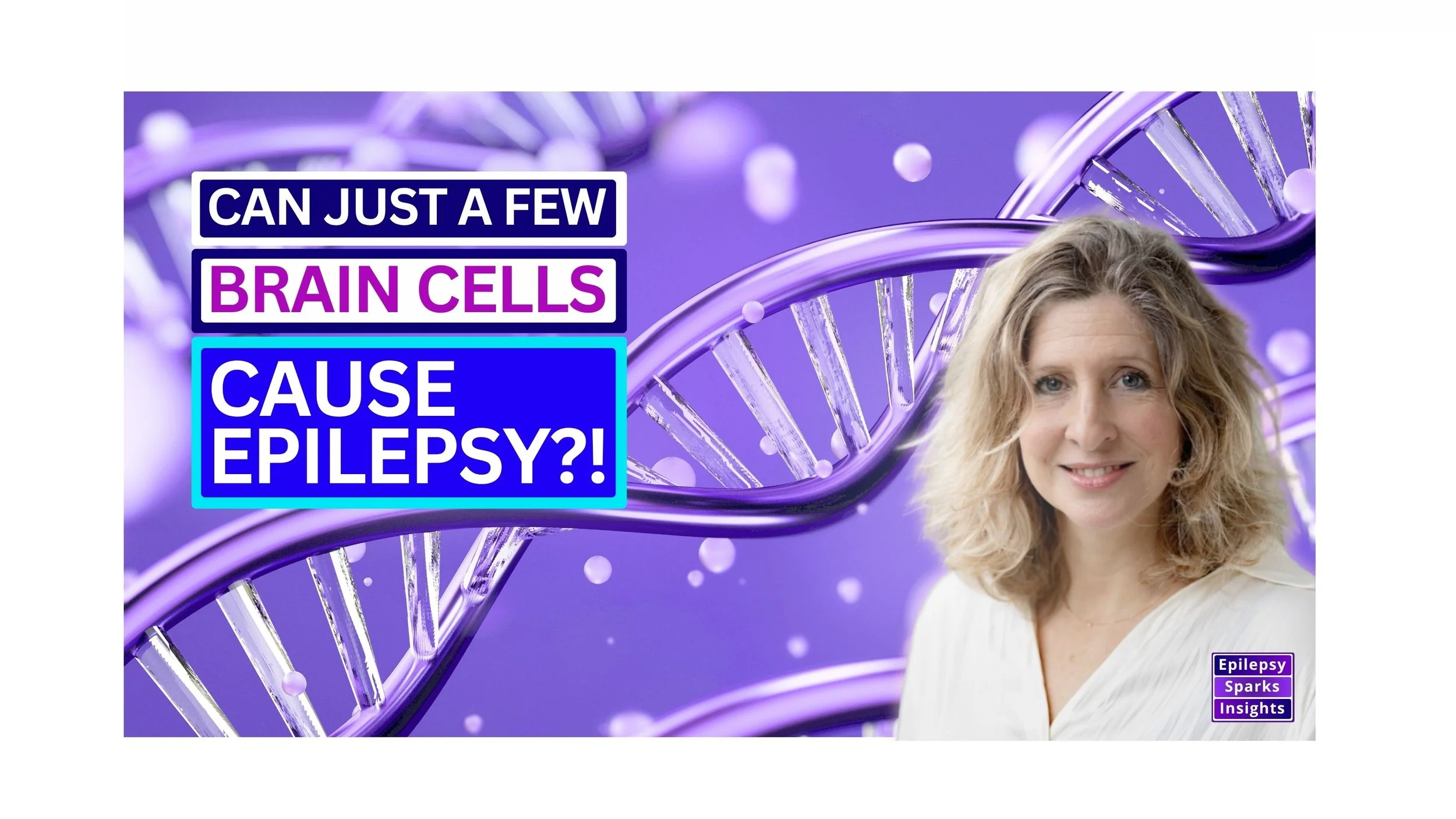
Could epilepsy be caused by just a tiny number of abnormal brain cells? Dr Stéphanie Baulac explains how hidden genetic mutations in the brain are transforming our understanding of focal cortical dysplasia and opening the door to future precision medicine.

Dr. Jacob Pellinen discusses the Human Epilepsy Project, subtle focal seizures, delayed epilepsy diagnosis, learning difficulties, brain volume changes, and why epilepsy symptoms may begin years before recognised seizure onset.
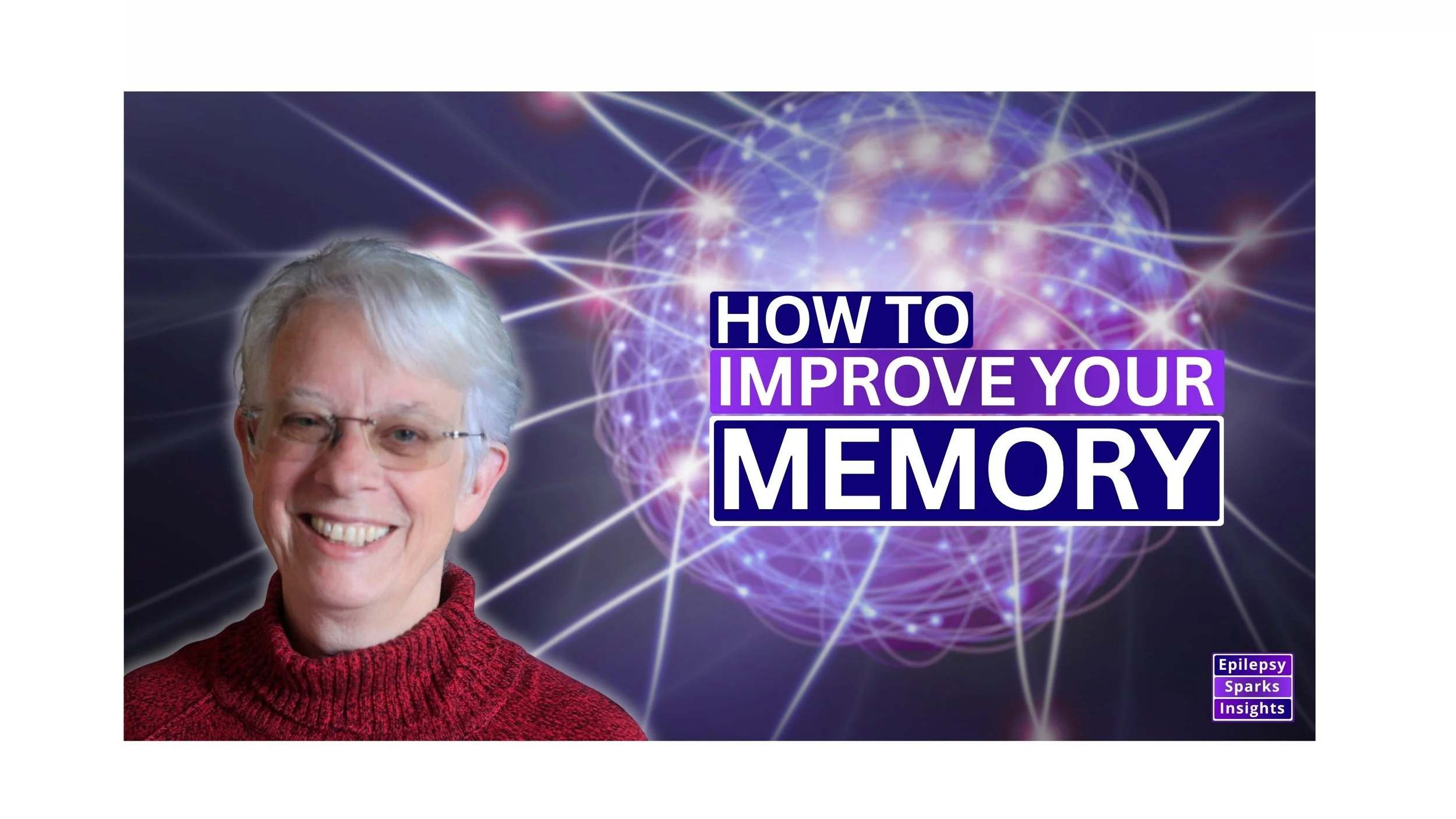
Dr. Laurie Miller explains why memory problems happen in epilepsy, how different memory systems are affected, and the practical evidence-based strategies that may help improve everyday functioning.
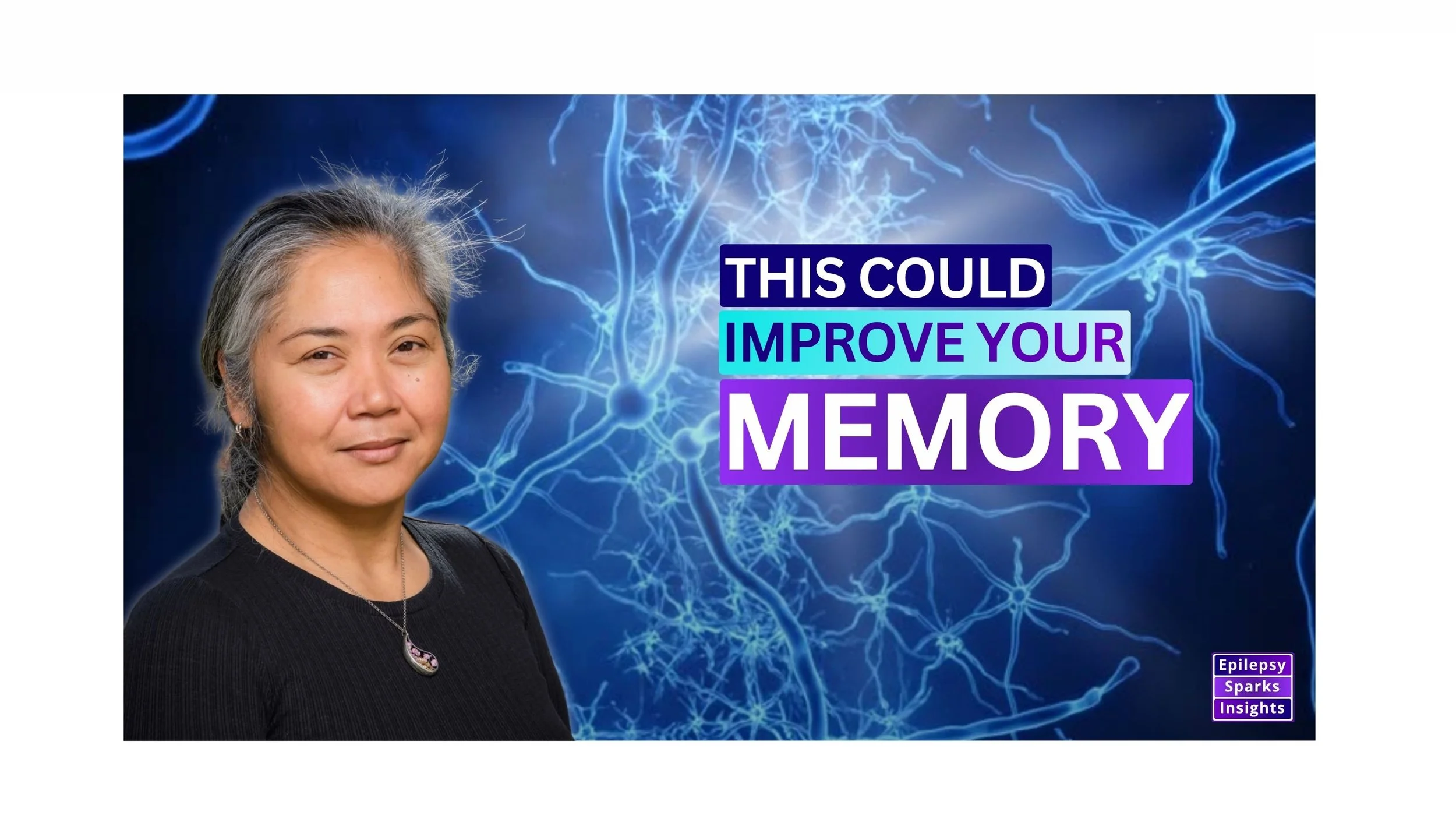
Can exercise improve memory in people with an epilepsy? Jane Allendorfer shares early evidence from a six-week intervention and her newly completed randomised trial exploring how physical activity may drive cognitive improvement and changes in brain connectivity.
A deep dive into how combined MEG and high-density EEG can precisely localise seizure source in children with drug-resistant epilepsy, improving surgical decision-making and outcomes! With Christos Papadelis, Ph.D..
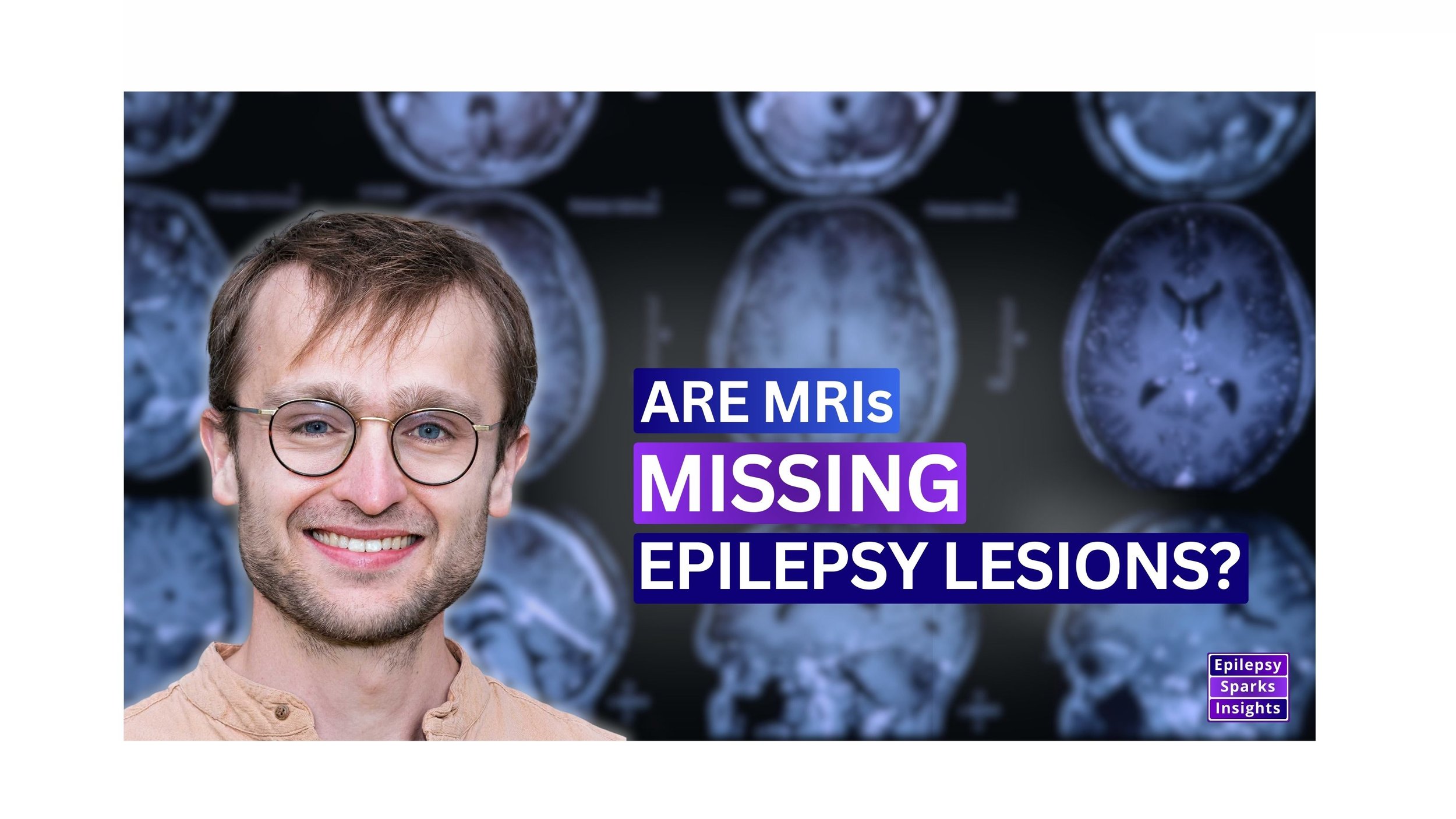
MRI scans can miss epilepsy lesions that may be treatable with surgery. Dr. Konrad Wagstyl discusses how his biotech AI tools trained on large MRI datasets are helping detect subtle brain abnormalities and identify surgical candidates earlier.
Who benefits from genetic testing in epilepsy, and how should uncertain results be interpreted? Christian Bosselmann discusses genome sequencing, variant interpretation, and why re-analysis over time matters.
Evidence-based insights on how patients and clinicians are already using generative AI in health care, and where the biggest risks and research gaps remain, with Charlotte Blease, PhD.
Accelerated brain ageing is increasingly recognised as part of epilepsy. Dr. Marian Galovic explains what brain imaging reveals about neurodegeneration, why seizures may not be the main driver, and when brain injury risk becomes critical.
Why routine EEGs often miss seizures – and how long-term and subcutaneous EEG monitoring can change clinical understanding of seizure burden, treatment decisions, and diagnostic certainty.
In part two, Dr. Ching Soong Khoo discusses practical clinical approaches to obesity in epilepsy, focusing on quality of life, exercise safety, diet, and multidisciplinary care.
Why is obesity so common in people with epilepsy, and why is it so often overlooked in clinical care? This episode explores prevalence data, physical activity, and the consequences of missing obesity in routine epilepsy management.
A parent-led insight into life with Dravet Syndrome, this episode explores family dynamics, caregiving roles, and findings from an ethnographic study capturing the lived experiences of families across Europe.
There's been a small but significant update re focal seizure terminology. Prof. Sándor Beniczky breaks down why "consciousness" is now the key term used to describe focal seizures and why this change helps everyone.
Award-winning molecular neuropathologist & PI Katja Kobow explains her research into unraveling the intricate interplay between epigenetic alterations and the development of epilepsy, specifically in the context of the adult post-mitotic brain.
Hear of clinical study involving paediatric faecal samples of those with refractory epilepsy who started the ketogenic diet; investigating their gut microbiota and how it may be related to changes in epileptic seizures.
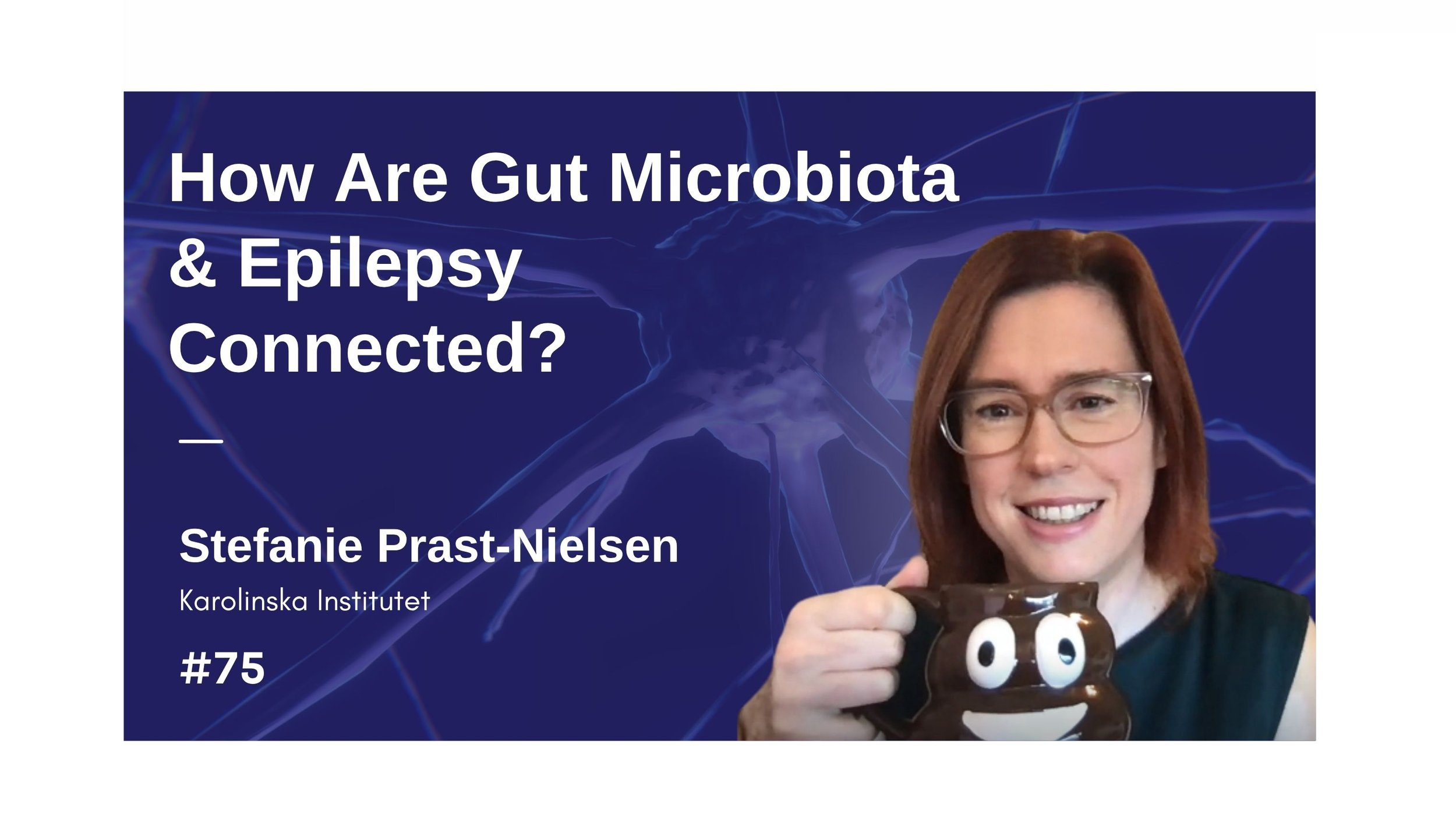
Hear about epilepsy research into gut microbiota, how they connect with the brain, and the link between them, poo/faeces, and seizures! Think ketogenic diet. This is part 1 of 2.

Meet Sally-Ann Remnant, a clinical nurse specialist in epilepsy who talks to us about her work and study into the impact and treatment of constipation amongst people with epilepsy and how constipation can encourage seizures in some.